Raising children is a journey filled with joy, challenges and countless small decisions… many of which shape their long-term health and wellbeing. While big lifestyle changes can feel overwhelming, healthy habits often start with simple, everyday actions that build confidence and consistency in children. Here are some practical tips to help support your child’s healthy development at any age.
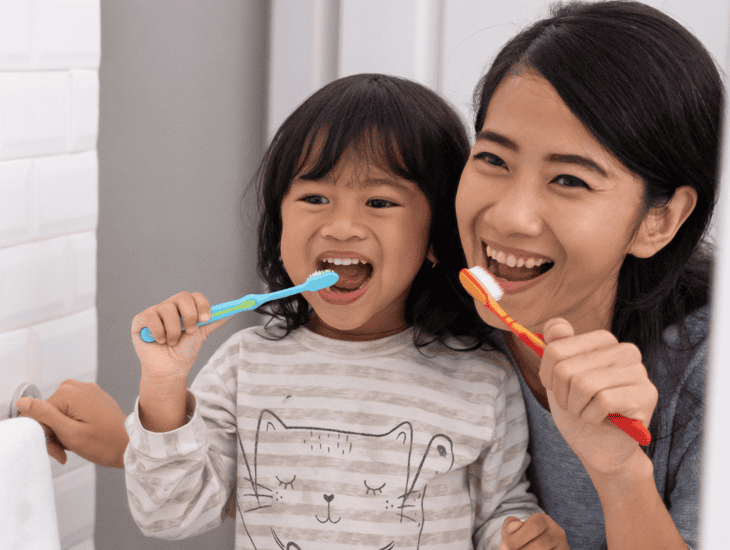
- Make brushing teeth a fun routine
Good dental hygiene begins early, and brushing twice a day can make a huge difference in preventing tooth decay and promoting fresh breath.
Tips to help:
- Let your child choose their own toothbrush or toothpaste flavour to make brushing more engaging.
- Sing a favourite song or play a two-minute track to time how long they should brush.
- Use colourful charts or stickers to track daily brushing. Positive reinforcement works wonders.
With consistency and encouragement, brushing becomes a habit, not a battle.
- Keep active with play
Children naturally love to move and regular activity supports physical health, coordination, sleep quality and mood.
Ideas to stay active together:
- Go for family walks or bike rides after dinner.
- Turn chores into games (e.g., “who can tidy up fastest?”).
- Try dance breaks in the living room.
- Play catch, hopscotch or set up soft obstacles in the garden or park.
The goal isn’t intense exercise, but joyful movement that becomes part of everyday life.
- Choose healthy eating without pressure
Healthy eating is more about patterns than perfection. Encouraging balanced meals and positive attitudes toward food helps children make better choices long-term.
Helpful strategies:
- Involve children in meal planning and grocery shopping. They’re more likely to try what they help prepare.
- Offer a variety of colours on the plate: fruits, veg, proteins, whole grains.
- Keep healthy snacks accessible (e.g. fruit bowls, yoghurt pots, hummus and veg sticks).
- Make mealtimes distraction-free and phones and screens off, so the family focuses on eating together.
Modelling balanced eating teaches children that food is both nourishing and enjoyable.
- Promote consistent sleep
Sleep plays a crucial role in learning, behaviour, growth and immunity. Setting a calming bedtime routine helps children settle and get the rest they need.
Build a bedtime rhythm:
- Set a regular bedtime and wake-up time, even on weekends.
- Wind down with quiet activities, such as reading, gentle music, or storytelling.
- Limit screen time at least an hour before bed.
- Create a cosy, reassuring sleep environment.
A well-rested child is often a happier, more engaged child.
- Support emotional wellbeing
Physical health and emotional health go hand in hand. Encouraging self-expression, validating feelings and nurturing secure attachments builds resilience and confidence.
Ways to support emotional health:
- Check in daily: “How was your day?” or “What made you smile?”
- Encourage problem-solving and empathy (e.g. “How do you think they felt?”)
- Provide hugs and positive affirmations
- Teach simple breathing exercises to help with frustration or stress
Children who feel understood are more likely to develop healthy communication and coping skills.
Healthy living doesn’t require grand gestures, it grows from everyday choices rooted in care, consistency, and connection. When brushing becomes fun, movement feels natural, meals are enjoyed together, sleep is structured and feelings are honoured, children thrive.
If you’re looking for supportive learning environments that reinforce healthy habits, consider a Happy Journeys Day Nursery where positive routines and wellbeing are part of daily life.