Kindness is one of the most valuable lessons we can pass on to our children. While it may sound simple, learning to be kind takes time, guidance and everyday practice. In a busy world, small, consistent actions at home and in the community can make a lasting difference to how children understand empathy, respect and compassion.
Leading by example at home
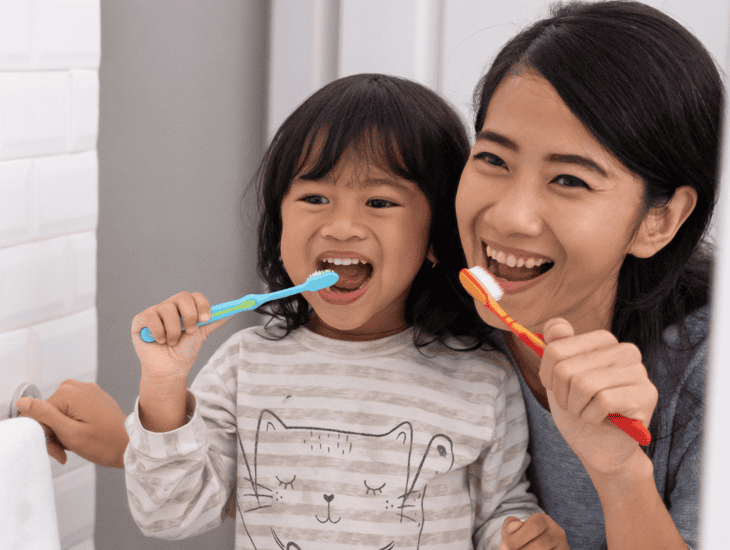
Children learn far more from what they see than what they are told. Everyday interactions at home play a huge role in shaping their behaviour. Speaking kindly to others, showing patience during stressful moments, and treating people with respect all set powerful examples. Even small habits, like saying “please” and “thank you”, listening without interrupting, or apologising when we make mistakes, help children understand what kindness looks like in real life.
Encouraging kindness in everyday moments
Day-to-day routines offer plenty of opportunities to practise kindness. Encouraging children to share toys, help set the table, or check in on a sibling who is upset helps them recognise the impact of their actions. Talking about feelings openly, both their own and others’ helps children build emotional awareness and empathy.
Simple conversations such as “How do you think that made them feel?” or “What could we do to help?” allow children to think beyond themselves and understand different perspectives.
Kindness through play and activities
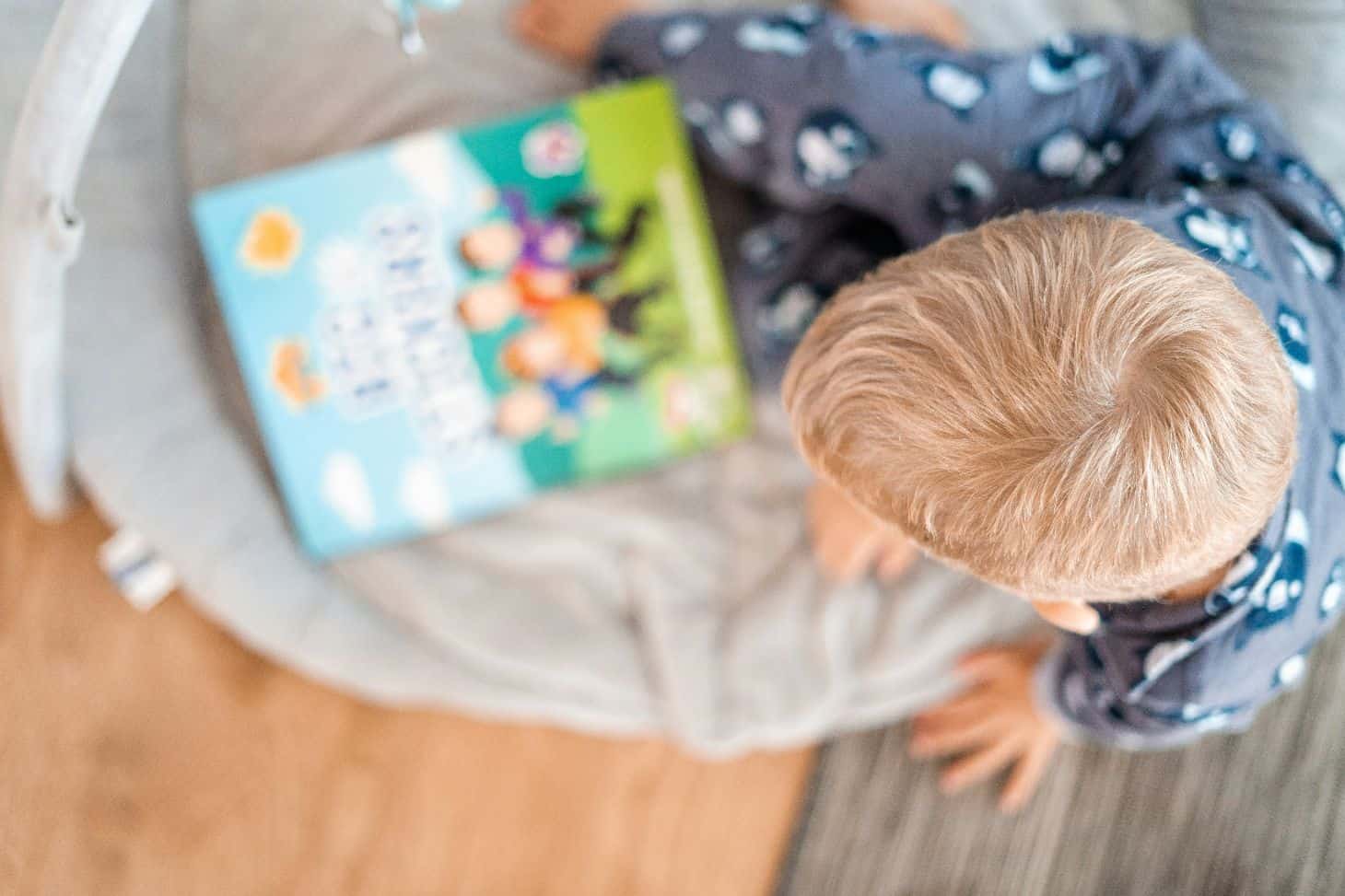
Activities and play are excellent ways to reinforce kind behaviour. Role-play games can help children practise situations like welcoming a new friend, resolving a disagreement, or offering help. Reading stories together that focus on friendship, inclusion and understanding can also spark meaningful discussions.
Creative activities such as drawing thank-you cards, making small gifts, or writing kind notes for family members help children express appreciation and thoughtfulness in a tangible way.
Learning kindness beyond the home
Getting involved in community activities can help children see kindness in action. Attending family-friendly events, workshops, or school programmes focused on wellbeing, emotional learning or social skills gives children the chance to connect with others in positive environments.
Local clubs, sports teams and creative groups also help children practise cooperation, fairness and encouragement while building confidence and friendships.
Teaching the value of giving back
Helping children understand the importance of supporting others is a powerful way to nurture kindness. Donating toys, clothes or books they no longer use teaches generosity and gratitude. Involving children in choosing items to donate helps them feel part of the process and understand where their help is going.
Supporting local charities, food banks or community initiatives together as a family shows children that kindness can make a real difference close to home. Even small acts, like fundraising, volunteering time, or learning about local causes, help children develop a sense of social responsibility.
Kindness isn’t something children learn overnight
It grows through everyday actions, gentle guidance and positive experiences. By creating a home environment rooted in empathy, encouraging thoughtful behaviour, and supporting community and charitable initiatives, we can help children grow into caring, compassionate individuals.
At Happy Journeys, our nursery in Hendon, we believe that small steps can lead to meaningful change, for children, families and the wider community.